


 Adopted
| Breed | Australian Shepherd, Border Collie |
| Color | |
| Age | Baby |
| Gender | Female |
| Size | Medium |
| Coat Length | - |
| Adoption Fee | - |
 Characteristics
 Health
 House-trained
 Good in a home with
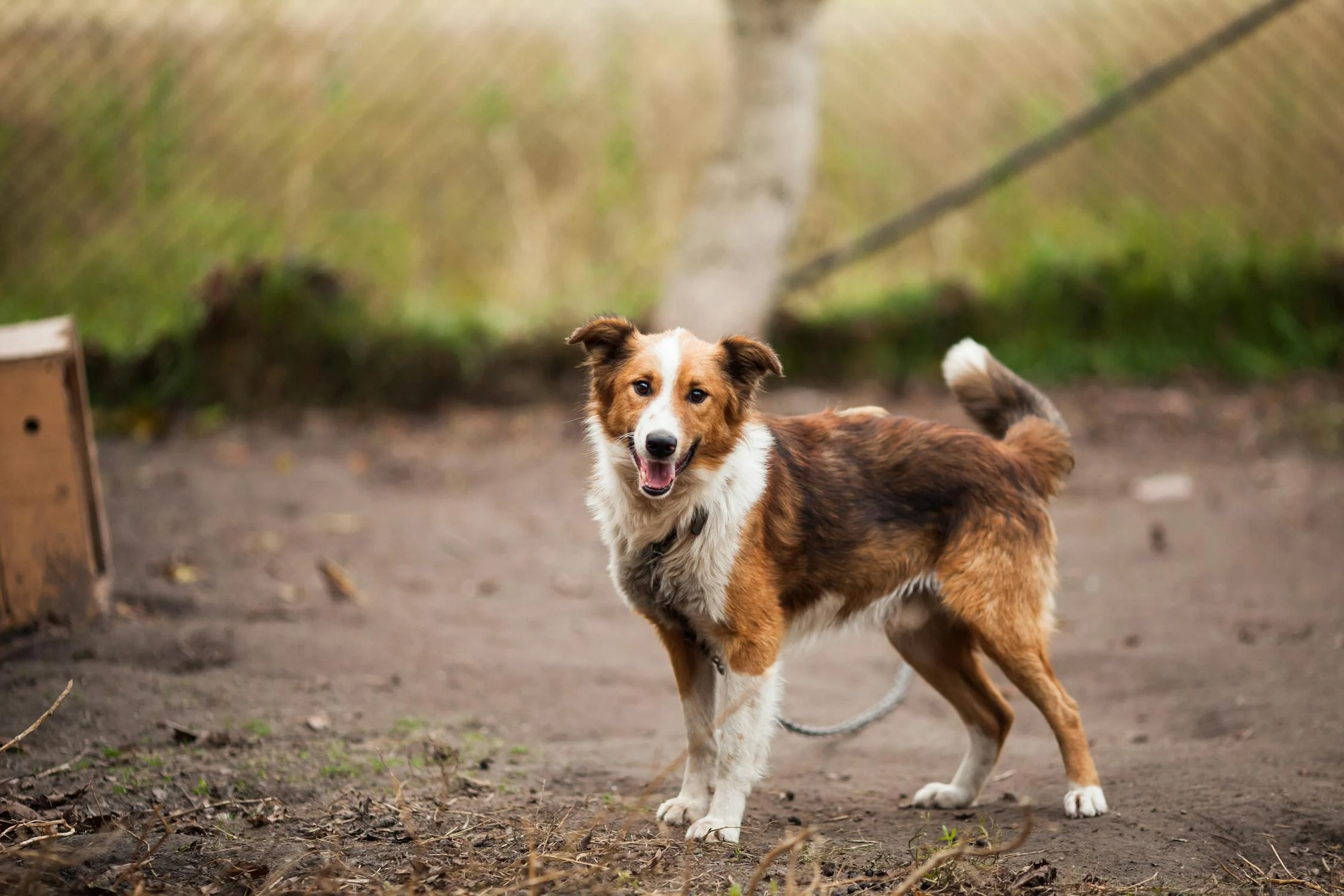
I am Maddie! I'm the smallest of my siblings- I like to say "very petite". We were born at the Marion Animal Shelter on November 21st, 2006. Our mother, Geena is still there as well. Everyone tells us how adorable we are! I am absolutely adorable in person and have very unique eyes. My right eye is over half brown, while my left eye is crystal blue! I am so loveable and cuddly and good on a leash too! We are looking for a family with herding dog experience because she will definately have higher energy needs.
Before applying to adopt this puppy, please read the following:
Jacque Lynn Schultz, CPDT, Director, ASPCA Special Projects
Whether you visit a small Midwest farm, tour the Irish countryside or travel to a vast Australian sheep station, you are bound to see hard-working sheepdogs. These days the breeds most likely to still be found working flocks are Australian Shepherds, Border Collies and Australian Kelpies. The work ethic is so strong in these breeds that placement in a laid back pet home is tantamount to torture for them. See if you have what it takes to meet the needs of these super smart, high drive dogs!
AUSTRALIAN SHEPHERD The Australian Shepherd (Aussie) isn't really Australian at all. Like many breeds, its early beginnings are debatable, but all lead to the breed becoming established in the American West where raising sheep became popular around the time of the Civil War. English Shepherds, working collies and other regional farm dogs were most likely interbred to produce the medium-sized bobtail of today. The breed's moderately long body and broad solid feet allow for the physical versatility needed to herd a flock of sheep or excel in the agility ring. The Aussie coat consists of a coarse outercoat and a thick soft undercoat that comes in the following colors: red merle, blue merle, red and black - all with or without white markings and tan points.
The Australian Shepherd is less stock-intense than the Border Collie or Kelpie and can be the easiest of the three to incorporate into an urban household. However, the Aussie still requires a serious dedication to exercise. Involvement in some type of dog sports such as agility, flyball or even search and rescue work is strongly recommended. If this intelligent dog is not physically and mentally stimulated, he may become destructive or temperamental.
The Aussie is considered a one-person or one-family dog and displays caution around strangers. Early puppy socialization will help an Aussie become as friendly as his genes allow. This innate sense of caution results in a sheepdog that is more territorial and watchful than many other herding breeds.
While generally a healthy breed, the Australian Shepherd is prone to eye and hip problems. Collie eye anomaly (CEA) and progressive retinal atrophy (PRA) are the most common eye disorders seen. Blindness, deafness, organ failure and autoimmune disease can occur when two merle-patterned dogs are mated. p> All known information is listed here. If it is not listed here, then we do not know if this animal is good with cats or kids. Before sending an inquiry, please read the How To Adopt Page & FAQ pages of our website. http:www.almosthomerescue.net. This dog is available unless it is marked as Pending. For PUPPIES: SEE BELOW
This dog is Urgent because the shelter it is in is in Arkansas and is overfull, therefore dogs and puppies alike are on the euthanasia list. Please do not ask local shelters to take this dog in, there are many reasons why they cannot. Please also do not send us nasty letters about why we euthanize, this is not our choice, we do not euthanize, but the shelters we work with do. We are a rescue and we pull as many of them as we have foster homes and funds for. We, like the shelter, do not have unlimited resources. Please, please: foster, adopt or sponsor a dog to help save their lives.
HOMES CONSIDERING PUPPIES MUST BE PREPARED FOR:
FLEXIBLE SCHEDULES FOR POTTY TRAINING-THEY CAN ONLY "HOLD" IT FOR ONE HOUR PER MONTH OF AGE.
CRATE TRAINING FOR THE NEXT 10 MONTHS TO KEEP THEM FROM CHEWING EVERYTHING IN SIGHT.
SUPERVISION WITH CHILDREN, AND OBEDIENCE TRAINING.
SOCIALIZATION-A GOOD DOG MUST BE EXPOSED TO ALOT OF STIMULUS AS A PUPPY SO THAT NEW PEOPLE AND ENVIRONMENTS DO NOT INTIMIDATE THEM AS ADULTS. THE MORE POSITIVE EXPERIENCES -IN AND OUT OF THE HOME- AS A PUPPY, THE BETTER.
HOMES THAT WANT TO HAVE GOOD DOGS, MUST BE PREPARED TO PUT THE TIME AND EFFORT INTO TRAINING A PUPPY. IT IS ALOT OF WORK!!! THEIR BEHAVIOR AND STAGES ARE EQUIVILENT TO A 2 OR 3 YEAR OLD CHILD. IT TAKES A FULL YEAR TO HAVE A CALMER, WELL ADJUSTED DOG! PLEASE DO NOT CONSIDER ADOPTING IF YOU HAVE NOT THOROUGHLY THOUGHT THROUGH THE PROS AND CONS OF A PUPPY...SO MANY PEOPLE END UP RETURNING THEM IN 3-5 MONTHS BECAUSE IT IS CHEWING, JUMPING AND HYPER. THIS IS NORMAL PUPPY BEHAVIOR.
PATIENCE, CHEWIES, SOCIALIZATION, SUPERVISION AND OBEDIENCE TRAINING IS A MUST!!